What Is EMF Exposure and How It Affects Human Health
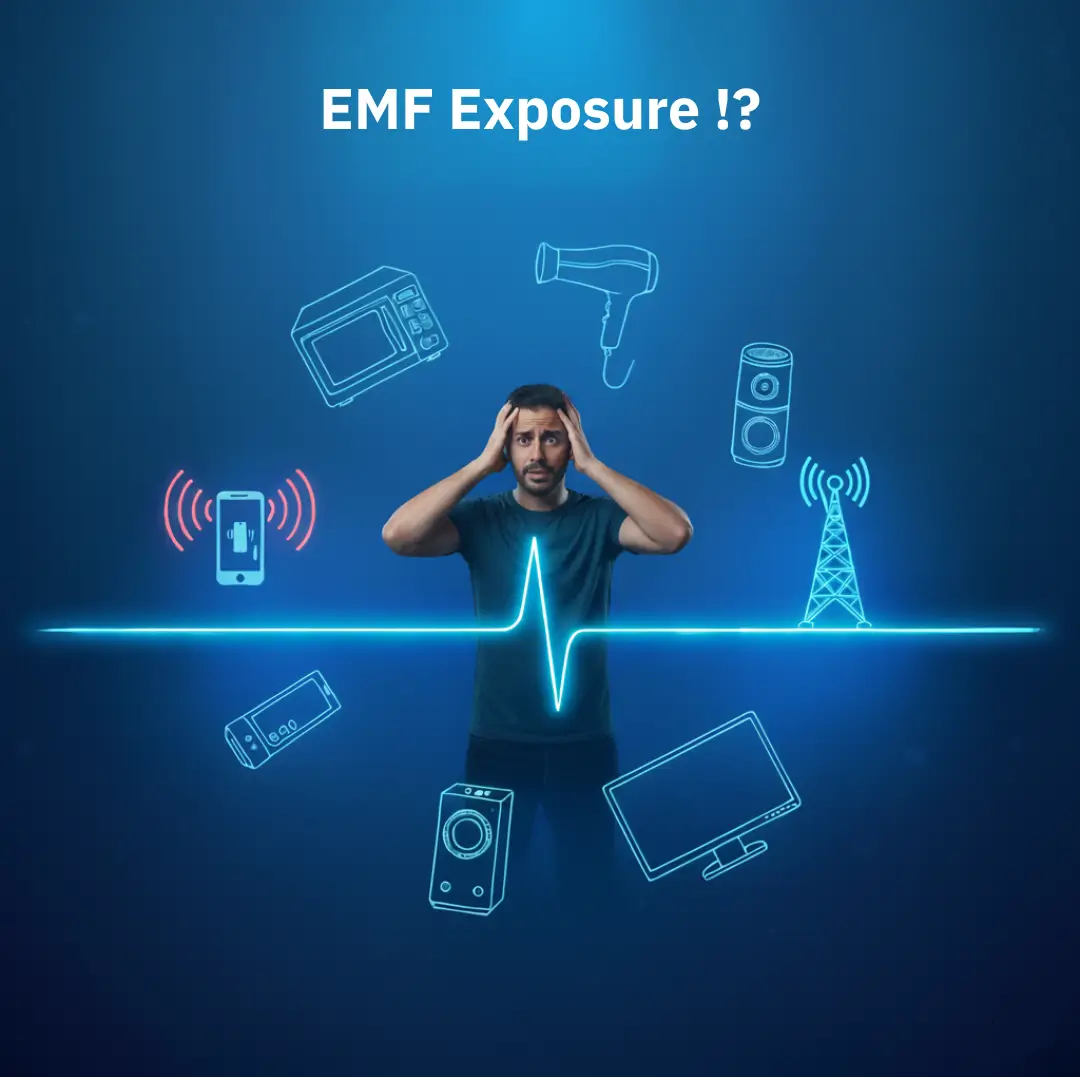
Electromagnetic fields (EMFs) are invisible fields of energy created whenever electric charges move, combining electric fields and magnetic fields in EMF. They are naturally present around us, from the earth, the sun, and other natural sources - as well as from man-made devices like refrigerators, hairdryers, mobile phones, and WiFi routers. Many everyday technologies, including TV signals, radio, cordless phones, and modern wireless services used by emergency responders, rely on EMFs to transmit information. Understanding how EMFs affect the human body can help us stay informed and safe.
EMFs and Mobile Networks: Are Cell Towers Safe?
Mobile phones connect to nearby cell towers, or Base Transceiver Stations (BTS), using low-powered radiofrequency (RF) signals to send and receive calls and data. The connection depends on signal strength, distance, and obstacles like buildings or trees.
These RF signals are very low in power, typically much weaker than those from everyday devices like WiFi routers or microwaves. Modern networks, including 4G and 5G, are designed to use only the minimum energy needed, keeping electromagnetic field exposure well within global safety limits.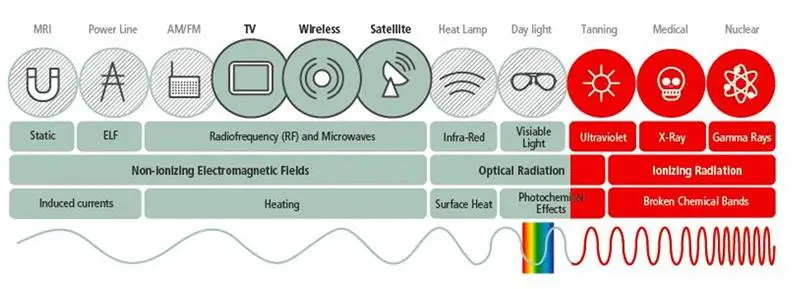
What Research Says About EMF and Health
Health concerns related to EMF exposure are widespread, with many wondering are electromagnetic fields from mobile towers safe. The World Health Organization (WHO) has reviewed over 25,000 studies and concluded that current evidence does not confirm any health effects from exposure to low-level electromagnetic fields, such as those emitted by mobile towers. This is backed by WHO research on EMF exposure and health. The findings remain consistent: wireless technologies, including mobile towers, do not present proven health risks.
Recent studies have examined possible biological effects under very high or long-term exposure, often in laboratory animal models. However, these exposure levels are far above what people experience daily. Low-level EMF exposure from household appliances and mobile devices remains well below safety limits internationally recognized to protect human health, including international guidelines for electromagnetic field safety.
Main Types of EMF Exposure
Electromagnetic fields (EMFs) are all around us, coming from both nature and everyday devices. Knowing the main types of EMF exposure can help us understand any possible health effects and stay safe.
- Radiofrequency (RF) Radiation from Telecom Towers
Telecom towers, also called Base Transceiver Stations (BTS), send out radio waves so our mobile phones can stay connected. You’ll find these towers in cities, suburbs, and even some rural areas to make sure everyone gets good coverage. The good news? The strength of these signals drops off quickly as you move away from the tower, so most people are exposed to only very low levels.- Exposure Levels: Research shows that the RF radiation near cell towers is tiny - just 0.002% to 2% of EMF exposure limits for telecom towers in India, set by international safety norms.
- Health Impact: According to the American Cancer Society, there’s no evidence that these signals cause health problems. This includes mobile phone EMF radiation and health impact studies. Scientists continue to study long-term effects, but for now, exposure from mobile towers is considered safe.
- Extremely Low Frequency (ELF) Fields
These are the EMFs you get from electrical power sources. Think power lines, household wiring, and appliances like your fridge or washing machine.- Where You Find Them: Most ELF exposure comes from being near power lines, home wiring, or devices with motors.
- Health Considerations: The WHO notes that the strongest magnetic fields at these frequencies are usually right next to motors or specialized equipment. Everyday exposure in your home is much lower and generally not considered harmful.
- Microwave Radiation
Microwave EMFs are emitted by devices such as ovens, WiFi routers, and cordless phones.- Health Considerations: Again, exposure levels in daily life are low, and best practices to reduce EMF exposure from wireless devices like keeping devices at a slight distance can minimize any potential risk.
In short, EMFs are everywhere, but most of the time, the levels we’re exposed to - from cell towers to household appliances, are well below what’s considered risky.
How India Ensures EMF Safety Standards
India enforces some of the world’s strictest EMF safety norms through its Department of Telecommunications (DoT). These norms align with, and are often stricter than, international standards recommended by the International Commission on Non-Ionizing Radiation Protection (ICNIRP). Specifically:
- Indian EMF exposure limits are set at one-tenth the ICNIRP’s recommended levels, creating a large safety margin.
- Compliance certification and EMF emission testing procedures for mobile towers are mandatory.
- The Telecom Enforcement Resource and Monitoring (TERM) cells conduct regular audits and physical testing of tower emissions.
- Penalties and shut-down procedures apply if a tower exceeds safe EMF limits.
- India recently updated 5G regulations to improve coverage efficiency while ensuring safe levels, addressing concerns related to impact of 5G technology on electromagnetic field exposure.
TowerBuddy helps telecom operators and property owners to learn and stay on top of EMF safety and tower management. Earn, track compliance, monitor multiple sites, and streamline communication - all from one dashboard.
The Takeaway: Stay Safe While Staying Connected
EMFs are a natural and constant part of life, present in the environment and generated by many common devices. Extensive research shows that low-level EMF exposure from mobile towers and everyday wireless technologies is safe for humans. Thanks to rigorous international safety guidelines and enforcement in India, connectivity needs can be met without compromising public health. By combining scientific understanding with practical monitoring tools, telecom systems can be deployed safely and efficiently, ensuring reliable communication networks for everyone.